Chronic & Non Communicable Diseases
Longevity, Ageing and Long-term Care
Cancer
Cellular Ageing
Post-Doctoral Fellowships
France
2013.09.30
Unravel the molecular mechanisms of the DNA lesion tolerance pathway
To witness the phenomenon in action, Dr. Luisa Laureti and her team developed tools to introduce lesions at precise locations in bacterial DNA and to identify which pathway the bacteria used to bypass it. E. coli bacteria, she found, had a strong preference for avoiding copying the damage. Using techniques of molecular biology, she will now be able to grab the proteins involved in that kind of repair and determine how they operate.
The techniques Dr. Laureti is developing will also let her compare DNA damage caused by different sources, to see which repair pathway predominates in each case. If the dominant system is likely to include errors, it may indicate a greater risk of such lesions resulting in disease. Taken together, Dr. Laureti’s results could not only increase our knowledge of how cancer and aging begin, but present a strategy for combating the DNA damage that can arise when people are repeatedly exposed to carcinogens, on the job or in the environment.
DNA Detours Avoid Genetic Roadblocks
To add or modify information on this page, please contact us at the following address: community.research@axa.com

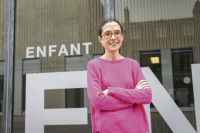
Luisa
LAURETI
Institution
Institut National de la Santé et de la Recherche Médicale
Molecular and Structural Bases of Living Organisms
Country
France
Nationality
Italian
Related articles
Chronic & Non Communicable Diseases
Medical Treatment & Drug Development
Chronic Pain & Musculoskeletal Disorders
Drug Delivery
Biotech- and Nanotechnology
AXA Project
France
Pain Pediatric & Elderly AXA Research Lab (PEARL)
Chronic pain is recognized as a major public health problem affecting patients in their daily activity, physical and mental health,... Read more
Celine
GRECO