Pandemics & Infectious Diseases
Zoonose & Vector Borne Diseases
Post-Doctoral Fellowships
Portugal
2013.11.30
Long non-coding RNA control infectivity and transmission of Trypanosoma brucei parasites
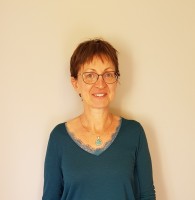
Fabien Guegan believes the parasite’s complex life cycle holds the key to halting sleeping sickness. Between the tsetse fly’s stomach and a person’s blood, trypanosome inhabits two very different environments. Yet, very quickly, it is able to adapt, changing its shape and metabolism by activating different genes. Dr. Guegan is hot on the trail of the molecules he thinks may act as orchestra conductors, synchronizing the many different elements of this transformation. Disrupting the “conductor” could make the whole trypanosome symphony fall apart. His strategy of targeting the transmission process inside the parasite could make it possible to block the spread between infected humans and animals and more tsetse flies. If so, this could mean a huge step forward in controlling sleeping sickness.
Disrupting the Sleeping Sickness Symphony
When Sleeping Becomes Fatal
Sleeping sickness is a fatal disease caused by trypanosome, a parasite transmitted by the tsetse fly. Dr. Fabien Guegan is studying how trypanosomes survive in the human blood using an ingenious strategy to evade the immune system called antigenic variation. He is also studying how this parasite adapts to extreme environmental changes, passing from human blood to the tsetse fly midgut. Understanding the adaptive strategies used by trypanosome will provide new avenues for developing treatments.
To add or modify information on this page, please contact us at the following address: community.research@axa.com

Fabien
GUEGAN
Institution
Instituto de Medicina Molecular
Country
Portugal
Nationality
French